Author: Sanskruti

  • Genomics Market Key Players

    Genomics Market Key Players

    The landscape is marked by perpetual dynamism and fierce competition. Genomics market players are relentlessly pushing boundaries, leveraging innovation, forging strategic partnerships, and making strategic acquisitions to gain a competitive edge. This relentless pursuit of advancement is not merely a quest for supremacy but a collective endeavor to cater to the evolving needs of healthcare providers and patients alike.

    Market Dynamics

    1. Innovation as the Key Driver

    Innovation stands as the cornerstone of progress in the non-oncology precision medicine market. Companies are continually investing in research and development to introduce groundbreaking technologies and solutions that redefine the standards of patient care. From advanced genomic sequencing techniques to novel diagnostic tools, innovation permeates every facet of the industry, propelling it forward at an unprecedented pace.

    2. Strategic Partnerships and Collaborations

    Collaboration breeds success in the fiercely competitive landscape of non-oncology precision medicine. Market players are increasingly recognizing the value of strategic partnerships to harness complementary strengths, expand their market reach, and accelerate innovation. Through strategic collaborations, companies can pool resources, share expertise, and jointly develop cutting-edge solutions that address unmet medical needs more effectively.

    3. Acquisitions Driving Consolidation

    Amidst intensifying competition, acquisitions emerge as a strategic imperative for companies vying for market dominance. By acquiring complementary businesses or technologies, market players can bolster their product portfolios, enhance their technological capabilities, and streamline their operations. Furthermore, acquisitions facilitate market consolidation, enabling companies to consolidate their position and fortify their competitive advantage in an evolving landscape.

    For any queries, feel free to reach us @ https://www.towardshealthcare.com/personalized-scope/5065

    Major Market Players

    Several key players stand at the forefront of the non-oncology precision medicine market, driving innovation, shaping industry trends, and influencing market dynamics. These market leaders include:

    • Thermo Fisher Scientific, Inc.
    • Illumina, Inc.
    • Oxford Nanopore Technologies
    • QIAGEN N.V.
    • BGI
    • Eurofins Scientific
    • GE Healthcare
    • Agilent Technologies, Inc.
    • Bio-Rad Laboratories, Inc.
    • Hoffmann-La Roche Ltd.

    Each of these market players brings unique strengths, technological expertise, and innovative solutions to the table, contributing to the vibrant ecosystem of non-oncology precision medicine.

    The non-oncology precision medicine market is a testament to the relentless pursuit of excellence and innovation. As market players strive to differentiate themselves, innovate, and expand their market presence, the landscape continues to evolve, offering new opportunities and challenges alike. By embracing innovation, forging strategic partnerships, and pursuing strategic acquisitions, companies can navigate this dynamic landscape, drive market growth, and deliver transformative solutions that revolutionize patient care.

    To own our premium research study instantly, click here @ https://www.towardshealthcare.com/price/5065

    Unlock Infinite Advantages: Subscribe to Annual Membership

    Read More about Genomics Market:

  • Cervical Spondylosis Diagnosis & Treatment Market Size and Growth

    Cervical Spondylosis Diagnosis & Treatment Market Size and Growth

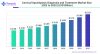
    The prognosis for the cervical spondylosis diagnosis and treatment market is promising, with an anticipated expansion from USD 6.21 billion in 2023 to approximately USD 11.83 billion by 2032. This growth trajectory signifies a robust Compound Annual Growth Rate (CAGR) of 6.7% between 2024 and 2032.
    The cervical spondylosis diagnosis and treatment market is poised for substantial growth, driven by technological innovations, evolving treatment paradigms, and a growing emphasis on personalized care. With a concerted focus on early diagnosis, multidisciplinary collaboration, and patient-centric interventions, healthcare stakeholders can effectively address the burden of cervical spondylosis, improve clinical outcomes, and enhance the quality of life for affected individuals.

    To customize the study as per your report @ https://www.towardshealthcare.com/personalized-scope/5134

    Diagnostic Innovations Driving Market Expansion

    Advancements in Medical Imaging Technologies

    Innovations in medical imaging technologies, such as Magnetic Resonance Imaging (MRI) and Computed Tomography (CT) scans, have revolutionized the diagnostic landscape for cervical spondylosis. These modalities enable healthcare professionals to accurately assess the extent of degenerative changes in the cervical spine, facilitating timely intervention and personalized treatment strategies.

    Integration of Artificial Intelligence

    The integration of Artificial Intelligence (AI) algorithms in diagnostic processes enhances efficiency and accuracy. AI-driven platforms analyze medical images with precision, aiding clinicians in detecting subtle abnormalities indicative of cervical spondylosis. This streamlined approach expedites diagnosis, enabling prompt initiation of therapeutic interventions.

    Preventing cervical spondylosis or managing its progression involves:

    • Maintaining good neck posture.
    • Avoiding activities that strain the neck.
    • Engaging in regular exercise to keep the neck muscles strong and flexible.

    Additionally, practicing good ergonomics, such as using supportive pillows and chairs, can help reduce strain on the neck during daily activities. If you experience persistent neck pain or other symptoms, it’s essential to consult with a healthcare professional for proper evaluation and treatment.

    Treatment Paradigm: A Multifaceted Approach

    Non-Surgical Interventions

    Non-surgical modalities, including physical therapy, pharmacotherapy, and lifestyle modifications, constitute the cornerstone of cervical spondylosis management. Physical therapy focuses on strengthening neck muscles and improving range of motion, alleviating pain and enhancing functional capacity. Pharmacotherapy, encompassing analgesics, muscle relaxants, and anti-inflammatory agents, aims to mitigate symptoms and improve patient comfort. Additionally, lifestyle modifications, such as ergonomic adjustments and activity modification, play a pivotal role in minimizing disease progression and optimizing quality of life.

    Surgical Interventions

    In cases refractory to conservative measures or associated with neurological deficits, surgical intervention may be warranted. Surgical options range from decompressive procedures, such as laminectomy and discectomy, to spinal fusion techniques. These interventions aim to alleviate nerve compression, restore spinal stability, and alleviate symptoms, thereby enhancing patient outcomes and functional status.

    Emerging Trends and Future Perspectives

    Biologics and Regenerative Therapies

    The advent of biologics and regenerative therapies heralds a paradigm shift in cervical spondylosis management. Stem cell therapies and growth factor injections offer promising avenues for tissue regeneration and structural repair, addressing the underlying pathophysiology of the condition. These innovative approaches hold potential for disease modification and long-term symptom alleviation, ushering in a new era of personalized and regenerative medicine.

    Telemedicine and Digital Health Solutions

    The integration of telemedicine and digital health solutions facilitates remote monitoring and virtual consultations, enhancing access to specialized care for cervical spondylosis patients. Tele-rehabilitation programs enable patients to engage in supervised exercises and receive real-time feedback from healthcare providers, promoting adherence to treatment regimens and optimizing functional outcomes. Moreover, digital health platforms empower patients with educational resources and self-management tools, fostering proactive disease management and empowering individuals to take charge of their health.

    Cervical Spondylosis Diagnosis & Treatment Market Segments

    By Diagnosis

    • Imaging Tests
    • Neck X-ray
    • MRI
    • CT Myelography
    • Nerve Function Tests
    • Electromyography
    • Nerve Conduction Study

    By Product Type

    • Medications
      • Non-steroidal Anti Inflammatory Drugs
      • Muscle Relaxants
      • Antidepressants
      • Pain Relievers
    • Medical Devices
      • Cervical Collars
      • Neck Traction Devices
      • TENS Units
      • Cervical Pillows
    • Surgical Instruments
      • Spinal Implants
      • Other Surgical Instruments

    By Distribution Channel

    • Hospital Pharmacies
    • Retail Pharmacies
    • Online Pharmacies

    By Geography 

    • North America
    • Europe
    • Asia Pacific
    • Middle East and Africa
    • South America

    Unlock Infinite Advantages: Subscribe to Annual Membership

    To own our premium research instantly, click here @ https://www.towardshealthcare.com/price/5134

    To know more about cervical spondylosis diagnosis and treatment market:

  • Cervical Spondylosis Diagnosis & Treatment Market Key Players

    Cervical Spondylosis Diagnosis & Treatment Market Key Players

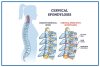
    Cervical spondylosis, commonly referred to as neck arthritis, is a degenerative condition that impacts the neck. It results from the gradual wear and tear of the bones and cartilage in the cervical spine, the part of the spine situated in the neck region.

    Cervical spondylosis, or neck arthritis, is a common condition characterized by the degeneration of the cervical spine. While it can cause discomfort and impair daily functioning, various management strategies and lifestyle modifications can help alleviate symptoms and improve overall spine health. By understanding the symptoms, treatments, and preventive measures associated with cervical spondylosis, individuals can take proactive steps to maintain neck health and enhance quality of life.

    Novartis AG: Pioneering Solutions

    Novartis AG stands as a beacon of innovation in the cervical spondylosis domain. Renowned for its unwavering commitment to research and development, Novartis continues to redefine treatment paradigms through groundbreaking pharmaceutical solutions.

    Merck & Co. Inc.: Advancing Therapeutic Frontiers

    Merck & Co. Inc. emerges as a key protagonist in the fight against cervical spondylosis. Leveraging its extensive expertise in healthcare, Merck spearheads the development of novel therapeutics, offering renewed hope to patients worldwide.

    To customize the study as per your report @ https://www.towardshealthcare.com/personalized-scope/5134

    Bayer AG: Transforming Healthcare

    Bayer AG, a titan in the pharmaceutical landscape, leaves an indelible mark on the cervical spondylosis diagnosis and treatment market. With a focus on transformative healthcare solutions, Bayer pioneers advancements that revolutionize patient care.

    Abbott: Empowering Lives Through Innovation

    Abbott stands at the forefront of cervical spondylosis diagnosis and treatment, driven by a relentless pursuit of innovation. With a diverse portfolio of medical devices and pharmaceuticals, Abbott empowers healthcare professionals to deliver optimal outcomes for patients.

    Ortho Bracing: Redefining Support Systems

    Ortho Bracing emerges as a cornerstone in the realm of cervical spondylosis treatment, offering comprehensive support solutions. Through its innovative braces and orthopedic devices, Ortho Bracing enhances patient comfort and facilitates effective rehabilitation.

    Medtronic: Revolutionizing Healthcare Technologies

    Medtronic, a global leader in medical technology, revolutionizes the landscape of cervical spondylosis diagnosis and treatment. With its state-of-the-art medical devices and therapeutic solutions, Medtronic empowers healthcare providers to deliver personalized care with precision and efficacy.

    Stryker Corporation: Fostering Surgical Innovations

    Stryker Corporation epitomizes surgical excellence in the domain of cervical spondylosis treatment. Renowned for its innovative surgical instruments and implantable devices, Stryker enables surgeons to perform procedures with unparalleled precision and safety.

    B. Braun Medical Ltd.: Enhancing Patient Care

    B. Braun Medical Ltd. stands as a testament to unwavering dedication to patient-centric care in the cervical spondylosis arena. Through its diverse portfolio of medical products and healthcare solutions, B. Braun enhances the quality of life for individuals affected by this condition.

    DJO, LLC: Redefining Rehabilitation

    DJO, LLC emerges as a leader in rehabilitation solutions for cervical spondylosis patients. With its innovative orthopedic braces and physical therapy offerings, DJO empowers individuals to embark on a journey of recovery and renewed vitality.

    Aspen Medical Products, LLC: Driving Functional Excellence

    Aspen Medical Products, LLC, plays a pivotal role in driving functional excellence in cervical spondylosis treatment. With its range of spinal bracing solutions and orthopedic devices, Aspen Medical Products enables individuals to reclaim mobility and independence.

    The cervical spondylosis diagnosis and treatment market witness the dynamic interplay of key players who are at the forefront of innovation and patient care. Through their unwavering commitment to excellence, these entities continue to redefine treatment standards and transform the lives of patients worldwide.

    Unlock Infinite Advantages: Subscribe to Annual Membership

    To own our premium research instantly, click here @ https://www.towardshealthcare.com/price/5134

    To know more about cervical spondylosis diagnosis and treatment market:

  • Cervical Spondylosis Diagnosis & Treatment Market Trends and Updates

    Cervical Spondylosis Diagnosis & Treatment Market Trends and Updates

    Cervical spondylosis, a condition characterized by the wear and tear of discs and bones in the neck, can cause debilitating pain and stiffness. Fortunately, advancements in surgical instruments, particularly spinal implants, have significantly enhanced treatment approaches. These implants play a crucial role in supporting the spine and alleviating pressure on nerves, leading to more precise surgeries and ultimately safer procedures with quicker recovery times.
    Breaking News: Amber Implants’ Milestone Trial

    In a groundbreaking development, Amber Implants launched the inaugural human trial of their VCFix spinal system in October 2023. This innovative system, tailored to address vertebral compression fractures, marks a monumental step forward in medical technology. The trial’s initiation underscores a commitment to expanding treatment options for patients afflicted with such fractures.

    Market Expansion and Patient Benefits

    The introduction of advanced surgical options, propelled by initiatives like Amber Implants’ trial, has spurred remarkable growth in the cervical spondylosis diagnosis and treatment market. Patients now enjoy reduced pain and improved mobility, thanks to these cutting-edge solutions. Moreover, heightened awareness and diagnosis efforts worldwide contribute to this market expansion, promising better outcomes for sufferers in the future.

    Raising Awareness: The Key to Early Detection

    Despite these advancements, many individuals remain unaware of the symptoms and severity of cervical spondylosis. This lack of awareness often leads to delayed diagnosis and treatment, exacerbating the condition over time. By fostering greater understanding and recognition of cervical spondylosis symptoms, we can encourage individuals to seek medical assistance sooner, potentially mitigating its progression to more severe stages.

    To customize the study as per your report @ https://www.towardshealthcare.com/personalized-scope/5134

    Navigating Healthcare Landscapes: Disparities and Challenges

    North America: Urban hubs like New York, Los Angeles, and Toronto boast advanced medical centers and skilled professionals specializing in spinal conditions. However, rural and remote regions face challenges in accessing quality healthcare, leading to disparities in diagnosis and treatment availability.

    Asia Pacific: While some regions exhibit growing awareness of cervical spondylosis, many areas still grapple with underdiagnosis and undertreatment. Cultural influences and healthcare practices shape the landscape, impacting patients’ preferences and treatment options. Moreover, regulatory barriers in certain countries may impede the introduction of new technologies and therapies, affecting accessibility and affordability.

    Navigating Treatment Costs: A Global Perspective

    According to Vaidam Health, treating cervical spondylosis in India entails varying costs for domestic and international patients. Factors such as hospital stays and chosen facilities influence the overall expenses. Furthermore, the prevalence of traditional medicine and regulatory environments further diversify treatment approaches and affordability across the Asia Pacific region.

    In August 2023, a groundbreaking collaboration unfolded in the realm of spinal surgeries. ZimVie Inc., a prominent player in the US life sciences domain, specializing in dental and spine markets, forged an extensive partnership with Brainlab, a pioneering force hailing from Germany, renowned for its spine imaging and navigation solutions.

    Enhancing Precision and Safety Through Integration

    This strategic alliance marks a pivotal moment in medical innovation, aiming to revolutionize the landscape of spinal surgeries globally. By integrating cutting-edge technologies such as robotic imaging, surgical assistance, and mixed reality, ZimVie Inc. and Brainlab are poised to elevate the standards of precision and safety in spinal procedures.

    Empowering Surgeons with Robotic Imaging

    Robotic imaging stands at the forefront of this collaboration, empowering surgeons with unparalleled insights into the intricacies of spinal anatomy. Through advanced robotics, real-time imaging capabilities offer surgeons enhanced visualization, enabling precise planning and execution of surgical interventions.

    Seamless Surgical Assistance for Optimal Outcomes

    Furthermore, the integration of surgical assistance mechanisms ensures seamless support throughout the surgical journey. From pre-operative planning to intra-operative guidance, surgeons benefit from enhanced decision-making tools, optimizing procedural outcomes and patient safety.

    Immersive Mixed Reality Experience

    A hallmark of this partnership lies in the integration of mixed reality technologies, immersing surgeons in dynamic virtual environments. By overlaying digital information onto the surgical field, mixed reality enhances spatial awareness, fostering enhanced accuracy and efficiency during intricate surgical maneuvers.

    The Impact on Patient Care

    Ultimately, the collaborative efforts between ZimVie Inc. and Brainlab transcend technological advancements, placing a paramount focus on patient care. By enhancing precision, safety, and efficiency in spinal surgeries, this partnership aims to redefine standards of care, ultimately improving patient outcomes and quality of life.

    Enhanced Precision through Modern Imaging Techniques

    Advanced diagnostic imaging, including Magnetic Resonance Imaging (MRI) and Computed Tomography (CT) scans, has ushered in a new era in the diagnosis and treatment of cervical spondylosis. These cutting-edge technologies utilize powerful magnets, radio waves, and X-rays to produce detailed images of the neck’s bones, discs, nerves, and soft tissues. By offering unparalleled clarity, they enable healthcare professionals to identify and address cervical spondylosis with unprecedented accuracy.

    Tailored Treatment Plans for Individual Needs

    With the aid of these advanced imaging modalities, physicians can formulate personalized treatment strategies tailored to each patient’s unique requirements. By precisely visualizing any damage or abnormalities, doctors can devise targeted interventions to alleviate symptoms and improve outcomes. For instance, identifying nerve compression through imaging allows for the implementation of treatments aimed at relieving pressure, thereby mitigating pain and enhancing overall well-being.

    Integrating Technology for Enhanced Rehabilitation

    Recent research, such as a study conducted by experts from Guangxi Normal University, China, underscores the potential of combining innovative therapies with virtual reality (VR) technology to optimize cervical spondylosis rehabilitation. Techniques like Sling Exercises Training (SET), fascia manipulation, Muscle Energy Technique (MET), and Proprioceptive Neuromuscular Facilitation (PNF) when integrated with VR have demonstrated promising results in pain management. This synergy between traditional therapies and modern technology offers new avenues for improving patient outcomes.

    Continuous Monitoring for Effective Management

    Moreover, advanced imaging techniques play a crucial role in monitoring the efficacy of ongoing treatments. By comparing images taken at different intervals, healthcare providers can assess the progression of cervical spondylosis and make informed adjustments to treatment plans. Whether evaluating improvements or identifying potential complications, MRI and CT scans empower clinicians to optimize patient care and enhance quality of life.

    Unlock Infinite Advantages: Subscribe to Annual Membership

    To own our premium research instantly, click here @ https://www.towardshealthcare.com/price/5134

    To know more about cervical spondylosis diagnosis and treatment market:

  • HIV Drugs Market Size and Growth at USD 49.68 Billion by 2032

    HIV Drugs Market Size and Growth at USD 49.68 Billion by 2032

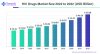
    The pharmaceutical industry is witnessing a remarkable evolution, driven by advancements in medical science and a growing demand for effective treatments. One segment that has garnered significant attention is the market for HIV drugs. According to recent estimates, the HIV drugs market is poised for substantial growth, with projections indicating a surge from USD 33.32 billion in 2023 to over USD 49.68 billion by 2032, at a compound annual growth rate (CAGR) of 4.3% between 2024 and 2032. This essay aims to delve into the factors contributing to this anticipated growth, the challenges faced by the industry, and the implications for healthcare stakeholders.

    Understanding the Dynamics of the HIV Drugs Market

    1. Evolution of Treatment Strategies

    The landscape of HIV treatment has evolved significantly since the discovery of the virus. Initially, the focus was primarily on managing symptoms and prolonging life expectancy. However, with advancements in medical research, the emphasis shifted towards developing antiretroviral therapies (ART) that could effectively suppress the replication of the virus, thereby reducing viral load and preventing disease progression. This shift in treatment paradigms has been instrumental in improving the quality of life for HIV patients and reducing mortality rates.

    2. Expansion of Access to Treatment

    Another significant factor driving the growth of the HIV drugs market is the concerted effort to expand access to treatment, particularly in low- and middle-income countries where the burden of HIV/AIDS is disproportionately high. Initiatives such as the President’s Emergency Plan for AIDS Relief (PEPFAR) and the Global Fund to Fight AIDS, Tuberculosis and Malaria have played a pivotal role in providing funding and technical support to scale up HIV treatment programs in resource-limited settings. As a result, more individuals living with HIV have been able to access life-saving medications, contributing to the overall market growth.

    3. Technological Innovations and Pipeline Developments

    The landscape of HIV drug development is characterized by ongoing research and development efforts aimed at introducing novel therapies with improved efficacy, safety, and tolerability profiles. Technological innovations, such as the development of long-acting injectable formulations and the exploration of new drug classes, hold promise for addressing the challenges of adherence and treatment resistance associated with current regimens. Additionally, the robust pipeline of investigational drugs targeting different stages of the HIV lifecycle underscores the industry’s commitment to addressing unmet medical needs and driving market growth.

    For any queries, feel free to reach us @ https://www.towardshealthcare.com/personalized-scope/5131

    In today’s world, where medical knowledge and advancements have reached unprecedented heights, understanding diseases such as HIV (Human Immunodeficiency Virus) is crucial for maintaining public health and well-being. HIV weakens the body’s immune system, leaving individuals susceptible to various infections and diseases. In this comprehensive guide, we delve into the intricacies of HIV, from its transmission to its symptoms, diagnosis, and treatment, providing valuable insights for both medical professionals and the general public.

    Transmission of HIV

    HIV can be transmitted through various means, with the most common routes being:

    1. Sharing Needles or Syringes

    The sharing of needles or syringes among intravenous drug users remains one of the primary modes of HIV transmission. Contaminated needles can introduce the virus into the bloodstream, facilitating its spread from one individual to another.

    2. Unprotected Sexual Contact

    Engaging in unprotected sexual intercourse with an HIV-infected individual poses a significant risk of transmission. The virus can be present in bodily fluids such as blood, semen, vaginal secretions, and rectal fluids, making unprotected sex a potential avenue for HIV transmission.

    3. Mother-to-Child Transmission

    Pregnant women living with HIV can transmit the virus to their infants during childbirth or breastfeeding. Without proper medical intervention and preventive measures, mother-to-child transmission can occur, highlighting the importance of prenatal care and HIV screening for expectant mothers.

    Symptoms of HIV

    The symptoms of HIV can vary widely from person to person, and in some cases, individuals may not experience any noticeable symptoms for years after infection. However, common early symptoms may include:

    • Fever
    • Headache
    • Fatigue
    • Swollen lymph nodes

    As the virus progresses and the immune system weakens, more severe symptoms may manifest, including:

    • Recurrent infections
    • Rapid weight loss
    • Night sweats
    • Chronic diarrhea

    It is important to note that the presence of these symptoms does not necessarily indicate HIV infection, as they can mimic other illnesses. Therefore, proper medical evaluation and testing are essential for accurate diagnosis.

    Early Diagnosis and Treatment

    Early diagnosis of HIV is paramount in managing the infection effectively and preventing its progression to AIDS. Timely medical intervention allows individuals to initiate antiretroviral therapy (ART) promptly. ART works by suppressing the virus, reducing its replication rate, and thereby preserving immune function.

    Benefits of Early Treatment

    • Viral Suppression: ART helps suppress the viral load, preventing further damage to the immune system.
    • Disease Progression: Early treatment significantly reduces the risk of HIV progressing to AIDS.
    • Transmission Prevention: Effective treatment lowers the risk of transmitting the virus to others.

    Living with HIV

    Contrary to popular misconception, being diagnosed with HIV is not a death sentence. With advancements in medical care and treatment, people living with HIV can lead fulfilling and productive lives. Comprehensive HIV management involves:

    • Regular Medical Monitoring: Routine medical check-ups and monitoring of viral load and CD4 cell count are essential for assessing treatment effectiveness and overall health.
    • Adherence to Treatment: Strict adherence to ART medication regimens is crucial for maintaining viral suppression and preventing drug resistance.
    • Lifestyle Modifications: Adopting a healthy lifestyle, including regular exercise, balanced nutrition, and avoiding harmful substances, can help bolster immune function and overall well-being.

    Challenges and Opportunities

    1. Access Barriers and Affordability

    Despite significant progress in expanding access to HIV treatment, access barriers persist, particularly in low-resource settings. Limited healthcare infrastructure, supply chain challenges, and high medication costs remain significant hurdles to achieving universal access to HIV care and treatment. Addressing these challenges requires a multi-faceted approach involving collaboration between governments, pharmaceutical companies, and non-governmental organizations to negotiate affordable pricing, strengthen healthcare systems, and improve supply chain management.

    2. Treatment Adherence and Drug Resistance

    Achieving optimal outcomes in HIV treatment hinges on strict adherence to medication regimens. However, maintaining adherence can be challenging due to factors such as pill burden, medication side effects, and socioeconomic barriers. Non-adherence not only compromises individual health outcomes but also contributes to the emergence of drug-resistant strains of HIV, posing a significant public health threat. Strategies to address adherence challenges include simplifying treatment regimens, providing adherence support services, and leveraging digital health technologies to monitor and support patient adherence.

    3. Stigma and Discrimination

    Stigma and discrimination continue to pose significant barriers to HIV prevention, testing, and treatment efforts worldwide. Fear of judgment and social exclusion deter individuals from seeking HIV testing and care, leading to delayed diagnosis and treatment initiation. Addressing stigma and discrimination requires comprehensive strategies that focus on education, advocacy, and community engagement to promote acceptance, tolerance, and equitable access to healthcare services for all individuals, regardless of their HIV status.

    Implications for Healthcare Stakeholders

    1. Pharmaceutical Companies

    For pharmaceutical companies operating in the HIV drugs market, the projected growth presents both opportunities and challenges. On one hand, expanding market demand and the introduction of new therapies offer the potential for revenue growth and market expansion. On the other hand, increasing competition, pricing pressures, and regulatory hurdles necessitate strategic agility and innovation to maintain a competitive edge. Furthermore, companies need to prioritize ethical considerations and corporate social responsibility initiatives to ensure equitable access to HIV

    2. Healthcare Providers

    Healthcare providers play a crucial role in delivering comprehensive HIV care and treatment services to patients. As the HIV drugs market continues to evolve, healthcare providers must stay abreast of the latest advancements in HIV treatment modalities, guidelines, and therapeutic options. This necessitates ongoing training and education to enhance clinical competencies and ensure the delivery of evidence-based, patient-centered care. Additionally, healthcare providers should actively engage in efforts to promote HIV testing, linkage to care, and retention in treatment to optimize health outcomes and prevent onward transmission of the virus.

    3. Policymakers and Advocacy Groups

    Policymakers and advocacy groups play a pivotal role in shaping the landscape of HIV care and treatment through the formulation of policies, allocation of resources, and advocacy for the rights and needs of people living with HIV. It is imperative for policymakers to prioritize investments in HIV prevention, treatment, and care programs, ensuring equitable access to essential services for all individuals, regardless of their socioeconomic status or geographic location. Furthermore, advocacy efforts aimed at combating stigma, discrimination, and human rights violations are essential for fostering an enabling environment conducive to effective HIV prevention and treatment efforts.

    HIV Drugs Market Segment

    By Drug Type

    • Nucleoside Reverse Transcriptase Inhibitors (NRTIs)
    • Non-Nucleoside Reverse Transcriptase Inhibitors (NNRTIs)
    • Protease Inhibitors (PIs)
    • Integrase Inhibitors
    • Entry and Fusion Inhibitors
    • Combination Class Drugs

    By Distribution Channel

    • Hospital Pharmacies
    • Retail Pharmacies
    • Online Pharmacies

    By Geography

    • North America
    • Europe
    • Asia Pacific
    • Middle East and Africa
    • South America

    Unlock Infinite Advantages: Subscribe to Annual Membership

    To own our PREMIUM study instantly, Click here @ https://www.towardshealthcare.com/price/5131

    To Read More About HIV Drugs Market:

  • HIV Drugs Market Key Players

    HIV Drugs Market Key Players

    Certain markets carry profound significance due to the nature of the diseases they address and the impact of their treatments. One such domain is the HIV drugs market, where companies play pivotal roles in providing life-saving medications to millions around the world. This essay delves into the prominent players in the HIV drugs market, analyzing their contributions, innovations, and market strategies.
    ViiV Healthcare

    ViiV Healthcare, established in 2009, is a joint venture between GlaxoSmithKline, Pfizer, and Shionogi Limited, dedicated solely to HIV treatment and prevention. It has rapidly emerged as a major player in the HIV drugs market. ViiV’s commitment to innovation is exemplified by its development of novel treatments like dolutegravir, which has shown superior efficacy and safety profiles compared to existing therapies.

    Gilead Sciences, Inc.

    Gilead Sciences, Inc. stands as a pioneering force in HIV/AIDS treatment since the approval of its groundbreaking drug, tenofovir disoproxil fumarate (TDF), in 2001. Through subsequent innovations such as the development of tenofovir alafenamide (TAF) and the single-tablet regimen containing TAF, Gilead has continually revolutionized HIV therapy.

    In 2020, Gilead announced its intent to acquire Immunomedics, Inc., expanding its oncology portfolio but also reinforcing its commitment to HIV research and development (Gilead Sciences). With a robust pipeline of investigational HIV treatments and a global presence, Gilead remains a dominant force in shaping the HIV drugs market.

    Janssen Pharmaceuticals, Inc.

    A subsidiary of Johnson & Johnson, Janssen Pharmaceuticals, Inc., has made significant contributions to HIV/AIDS treatment with its portfolio of antiretroviral therapies. Its most notable product is darunavir, a protease inhibitor widely used in combination therapy for HIV infection.

    Janssen’s commitment to addressing the complexities of HIV treatment extends beyond drug development. The company actively engages in partnerships and collaborations to enhance access to medications and support initiatives aimed at preventing the spread of HIV. Through its comprehensive approach, Janssen continues to play a vital role in the HIV drugs market (Johnson & Johnson).

    For any queries, feel free to reach us @ https://www.towardshealthcare.com/personalized-scope/5131

    F. Hoffmann-La Roche Ltd.

    F. Hoffmann-La Roche Ltd., commonly known as Roche, is renowned for its contributions to various therapeutic areas, including HIV/AIDS. With medications like saquinavir and lopinavir/ritonavir, Roche has played a crucial role in HIV treatment since the early days of the epidemic.

    Roche’s commitment to innovation is evident in its ongoing research efforts aimed at developing next-generation antiretroviral therapies with improved efficacy, safety, and tolerability profiles. The company’s global reach and focus on patient-centric approaches position it as a key player in shaping the future of HIV treatment (Roche).

    Mylan Pharmaceuticals Inc.

    Mylan Pharmaceuticals Inc. has been instrumental in expanding access to affordable HIV medications globally. The company’s emphasis on generic formulations of essential antiretroviral drugs has played a crucial role in increasing treatment availability, particularly in resource-limited settings.

    Mylan’s dedication to addressing the needs of diverse patient populations is underscored by its initiatives to develop pediatric formulations and fixed-dose combinations, simplifying treatment regimens and improving adherence. By prioritizing affordability and accessibility, Mylan contributes significantly to combating the HIV epidemic (Mylan).

    Theratechnologies Inc.

    Theratechnologies Inc. focuses on developing innovative therapies for unmet medical needs, including HIV/AIDS. Its most notable product, tesamorelin, addresses a common complication of HIV known as lipodystrophy, characterized by abnormal fat distribution.

    Theratechnologies’ commitment to addressing HIV-associated comorbidities demonstrates a nuanced understanding of the multifaceted challenges faced by HIV patients. Through ongoing research and strategic partnerships, the company aims to enhance the quality of life for individuals living with HIV, expanding its footprint in the HIV drugs market (Theratechnologies).

    Boehringer Ingelheim International GmbH

    Boehringer Ingelheim International GmbH has a long-standing history of innovation in pharmaceuticals, including contributions to HIV/AIDS treatment. The company’s portfolio includes nevirapine, an essential component of antiretroviral therapy for both treatment-naive and treatment-experienced HIV patients.

    Boehringer Ingelheim’s commitment to sustainability and corporate social responsibility is reflected in its efforts to ensure equitable access to HIV medications through differential pricing schemes and partnerships with public health organizations. By combining scientific expertise with a focus on social impact, Boehringer Ingelheim remains a key player in the global fight against HIV/AIDS (Boehringer Ingelheim).

    Cipla Ltd.

    Cipla Ltd., based in India, has been at the forefront of providing affordable HIV medications to populations in need. The company’s pioneering efforts in generic drug manufacturing have significantly contributed to expanding access to HIV treatment in low- and middle-income countries.

    Cipla’s commitment to innovation goes beyond drug development, encompassing initiatives to enhance treatment adherence through patient education and support programs. By leveraging its manufacturing capabilities and global distribution networks, Cipla continues to make substantial strides in improving HIV care and addressing healthcare disparities (Cipla).

    Teva Pharmaceutical Industries Ltd.

    Teva Pharmaceutical Industries Ltd. has established itself as a leading manufacturer of generic medications, including antiretrovirals for HIV treatment. With a diverse portfolio of HIV drugs, Teva plays a crucial role in ensuring medication availability and affordability worldwide.

    Teva’s focus on quality and reliability has earned it recognition as a trusted supplier of essential medications by healthcare providers and patients alike. Through strategic partnerships and continuous investment in research and development, Teva remains a key contributor to the HIV drugs market, driving positive outcomes for individuals living with HIV (Teva Pharmaceutical Industries).

    Merck & Co., Inc.

    Merck & Co., Inc. has a rich legacy of innovation in healthcare, spanning multiple therapeutic areas, including HIV/AIDS. Its flagship product, raltegravir, introduced a new class of antiretroviral medications known as integrase inhibitors, offering additional options for HIV treatment.

    Merck’s commitment to addressing global health challenges extends beyond drug development to encompass initiatives aimed at disease prevention and health promotion. Through partnerships with governments, NGOs, and research institutions, Merck seeks to advance the fight against HIV/AIDS while promoting sustainable healthcare solutions worldwide (Merck & Co., Inc.).

    The HIV drugs market is characterized by the presence of diverse stakeholders committed to addressing the complex challenges posed by the HIV/AIDS epidemic. From pharmaceutical giants like Gilead Sciences and Roche to generic drug manufacturers like Mylan and Cipla, each player brings unique strengths and contributions to the table.

    Unlock Infinite Advantages: Subscribe to Annual Membership

    To own our PREMIUM study instantly, Click here @ https://www.towardshealthcare.com/price/5131

    To Read More About HIV Drugs Market:

  • Importance of Early HIV Detection and Access to Treatment

    Importance of Early HIV Detection and Access to Treatment

    HIV, a virus attacking the immune system, underscores the criticality of early detection in curbing its transmission. When individuals are aware of their HIV status, they can adopt necessary precautions to prevent transmission, such as practicing safer sex and using sterile needles for injections. Moreover, early diagnosis paves the way for access to vital support services, including counseling, support groups, and medication adherence assistance, which are instrumental in addressing the physical, emotional, and social challenges associated with HIV.
    Insights into HIV Diagnoses in the US

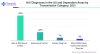
    HIV Diagnoses in the US and Dependent Areas by Transmission Category, 2021

    In 2021, the US witnessed a crucial development in HIV diagnoses. Despite the estimated 32,100 new HIV infections, there was a notable 12% decrease from 2017. This decline underscores the efficacy of concerted efforts in combating the spread of the virus. Moreover, with 36,136 individuals in the US and six dependent areas receiving an HIV diagnosis, the need for enhanced access to treatment becomes increasingly apparent.

    Addressing the Growing HIV Population

    The Growing HIV Population Necessitates Greater Access to Treatment for Improved Longevity and Well-Being

    With the global prevalence of HIV/AIDS affecting millions, ensuring access to essential medications like antiretroviral therapy (ART) becomes imperative. As highlighted by the World Health Organization, the statistics surrounding HIV underscore the urgency for improved treatment delivery mechanisms. The numbers reveal not only the magnitude of the challenge but also the pressing need for innovative solutions to address the growing demand for HIV medications.

    For any queries, feel free to reach us @ https://www.towardshealthcare.com/personalized-scope/5131

    Progress in HIV Treatment: A Beacon of Hope

    Progress in HIV Treatment is Making Things Better for People with HIV

    The relentless pursuit of advancements in HIV treatment offers hope for better outcomes. Recent breakthroughs, such as the conclusion of clinical trials for new HIV vaccines and the adoption of FDA-approved therapies like Apretude, signal significant progress in the field. Moreover, innovative drug delivery systems, combination therapies, and long-acting formulations represent crucial milestones in enhancing treatment efficacy and patient adherence.

    Johnson & Johnson’s Groundbreaking Contribution

    In 2021, Johnson & Johnson embarked on a groundbreaking journey towards combating HIV. Their relentless efforts culminated in the development of a revolutionary drug aimed at tackling the HIV-1 infection. Named Rekambys, this innovative medication has garnered approval from the FDA and represents a significant leap forward in HIV treatment.

    AbbVie’s Promising New Treatment

    In June 2023, AbbVie initiated a pivotal phase I clinical trial for a promising HIV treatment. Dubbed ABBV-1882, this novel therapy combines the synergistic effects of two potent drugs: ABBV-181 and ABBV-382. By targeting specific components of the immune system, ABBV-1882 aims to combat HIV with precision and efficacy, marking a new era in antiretroviral therapy.

    Gilead’s Strides Towards Enhanced HIV Management

    August 2022 witnessed a significant milestone in HIV management with Gilead’s announcement of EC approval for Sunlenca (Lenacapavir). This breakthrough medication, available in both injection and tablet forms, offers a ray of hope for individuals with HIV resistant to multiple drugs. Sunlenca, when used in conjunction with other antiretroviral therapies, presents a formidable weapon against drug-resistant HIV strains, revolutionizing the landscape of HIV treatment.

    The Path Forward: Advancing HIV Treatment Paradigms

    These recent developments underscore the relentless pursuit of innovation in HIV treatment. With each milestone achieved, the horizon of possibilities widens, offering renewed hope to millions affected by this formidable virus. As pharmaceutical giants continue to push the boundaries of medical science, the future of HIV treatment shines brighter than ever before.

    Revolutionizing HIV Treatment with Combination Therapy

    Combination therapy stands as a beacon of hope in the realm of HIV treatment, significantly elevating patient care standards. Unlike the singular approach of the past, wherein a solitary drug was employed, modern medical practices embrace a fusion of medications to combat HIV more effectively. This multifaceted strategy has not only enhanced the efficacy of treatment but has also thwarted the virus’s ability to develop resistance to drugs.

    The Evolution of FDA Approved Combination Therapies

    1. Triumeq PD: March 30, 2022
      • Combination Therapy (Generic Name): Abacavir/ Dolutegravir/ Lamivudine
    2. Cabenuva: January 22, 2021
      • Combination Therapy (Generic Name): Cabotegravir and Rilpivirin

    Unlocking the Potential: How Combination Therapy Works

    Each constituent drug within the combination targets HIV through distinct mechanisms, rendering it arduous for the virus to proliferate. As the adoption of this comprehensive treatment approach surges, the demand for these drugs escalates correspondingly. Consequently, pharmaceutical companies are ramping up the production of HIV medications to meet this burgeoning need.

    Personalized Treatment: Tailoring Solutions for Every Patient

    One of the most remarkable aspects of combination therapy is its capacity to personalize treatment plans for individual patients. By amalgamating a variety of drugs, doctors can tailor treatment regimens to suit the unique needs of each patient. Furthermore, the integration of multiple medications into a single regimen minimizes the pill burden, facilitating greater adherence to treatment protocols.

    Fueling Progress: The Impact on Patient Well-being

    The advent of combination therapy has ushered in a new era of HIV treatment, marked by improved patient outcomes and enhanced quality of life. This innovative approach has not only bolstered the arsenal against HIV/AIDS but has also instilled optimism in patients worldwide. Through its transformative impact, combination therapy continues to redefine the landscape of HIV treatment, heralding a future where HIV/AIDS is no longer a formidable adversary.

    Unlock Infinite Advantages: Subscribe to Annual Membership

    To own our PREMIUM study instantly, Click here @ https://www.towardshealthcare.com/price/5131

    To Read More About HIV Drugs Market:

  • Weight Management Market Trends, Factors, and Projections

    Weight Management Market Trends, Factors, and Projections

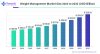
    The global weight management market has witnessed significant growth over the past few years and is projected to continue its upward trajectory in the coming decade. According to recent estimates, the market size is expected to surge from USD 150.63 billion in 2023 to approximately USD 328.24 billion by 2032, reflecting a compound annual growth rate (CAGR) of 8.3% between 2024 and 2032. This substantial expansion is driven by a multitude of factors, including changing consumer preferences, technological advancements, rising health consciousness, and increasing prevalence of obesity and related health issues.

    For any queries, feel free to reach us @ https://www.towardshealthcare.com/personalized-scope/5129

    Understanding the Weight Management Market

    The weight management market encompasses a wide range of products, services, and solutions aimed at helping individuals achieve and maintain a healthy weight. This includes dietary supplements, meal replacement products, weight loss programs, fitness equipment, surgical procedures, and more. With obesity emerging as a global epidemic, fueled by sedentary lifestyles, unhealthy dietary habits, and genetic predispositions, the demand for effective weight management solutions has soared.

    Factors Driving Market Growth

    1. Increasing Health Awareness

    One of the primary drivers behind the growth of the weight management market is the growing awareness about the importance of maintaining a healthy weight for overall well-being. As people become more conscious of the risks associated with obesity, such as cardiovascular diseases, diabetes, and certain cancers, they are actively seeking out ways to manage their weight effectively. This heightened awareness has created a fertile ground for the expansion of the weight management industry.

    According to a report by Grand View Research, Inc., “Rising health consciousness among consumers, coupled with increasing awareness regarding the adverse effects of obesity, is expected to drive the demand for weight management products and services.”

    2. Technological Advancements

    Advancements in technology have revolutionized the weight management industry, providing consumers with innovative tools and solutions for monitoring and controlling their weight. From wearable fitness trackers and mobile apps to personalized diet plans and virtual coaching, technology has made it easier than ever for individuals to track their progress, set goals, and access professional guidance.

    According to a study published in the Journal of Medical Internet Research, “The integration of technology into weight management interventions has shown promising results in terms of improving adherence, engagement, and outcomes.”

    3. Rising Prevalence of Obesity

    The global prevalence of obesity has reached alarming levels, driving the demand for weight management solutions. Sedentary lifestyles, high-calorie diets, and urbanization have contributed to the rise in obesity rates across all age groups and demographics. As a result, governments, healthcare organizations, and individuals are increasingly investing in strategies to tackle obesity and its associated health risks.

    According to the World Health Organization (WHO), “The prevalence of obesity has nearly tripled since 1975, with over 1.9 billion adults overweight, of which more than 650 million are obese.”

    Market Segmentation

    The weight management market can be segmented into various categories based on product type, distribution channel, end-user, and region. Understanding these segments is essential for stakeholders to identify growth opportunities and tailor their strategies accordingly.

    1. Product Type

    The weight management market offers a diverse array of products, ranging from dietary supplements to meal replacement shakes. Each product category serves different consumer needs and preferences, catering to individuals with varying weight management goals.

    2. Distribution Channel

    Weight management products and services are distributed through various channels, including retail stores, e-commerce platforms, pharmacies, and fitness centers. The choice of distribution channel can significantly impact consumer accessibility and brand visibility.

    3. End-User

    Different segments of the population have distinct weight management needs and preferences. End-users may include individuals looking to lose weight, maintain weight, improve overall health, or enhance athletic performance. Tailoring products and services to specific end-user segments is crucial for market success.

    4. Region

    The prevalence of obesity and consumer preferences for weight management vary across regions. Factors such as cultural norms, dietary habits, and socioeconomic status influence market dynamics in different geographical areas. Understanding regional trends is essential for developing targeted marketing strategies and expanding market reach.

    Future Outlook

    The future of the weight management market looks promising, with continued innovation, evolving consumer preferences, and increasing emphasis on health and wellness driving growth. However, several challenges and opportunities lie ahead for industry players.

    1. Personalized Solutions

    As consumers seek more tailored and personalized approaches to weight management, there is a growing demand for customizable products and services. Companies that can leverage data analytics, genetic testing, and behavioral science to offer personalized solutions are likely to gain a competitive edge in the market.

    2. Digital Health Technologies

    The integration of digital health technologies, such as artificial intelligence, telemedicine, and virtual reality, is poised to transform the weight management landscape. These technologies offer innovative ways to deliver personalized coaching, behavioral interventions, and support systems, thereby enhancing engagement and outcomes for users.

    3. Regulatory Landscape

    Regulatory policies and guidelines play a crucial role in shaping the weight management market. Companies must navigate complex regulatory frameworks, ensuring compliance with safety, efficacy, and labeling standards. Moreover, emerging regulations related to advertising, marketing, and product claims may impact industry practices and consumer perceptions.

    Unlock Infinite Advantages: Subscribe to Annual Membership

    To instantly buy our premium research, click here @ https://www.towardshealthcare.com/price/5129

    Read More About Weight Management Market:

  • Dominant Players in the Weight Management Market

    Dominant Players in the Weight Management Market

    In the modern era, where sedentary lifestyles and processed foods are prevalent, the importance of weight management has skyrocketed. With the rise in obesity rates globally, the weight management market has become increasingly competitive, with numerous companies vying for a share of this lucrative industry. This essay aims to delve into the key players in the weight management market, focusing on their strategies, products, and impact on consumers.

    Herbalife Ltd.

    Herbalife Ltd. is a prominent player in the weight management market, offering a range of nutritional products aimed at helping individuals achieve their weight loss goals. Founded in 1980, Herbalife has established itself as a global nutrition company, operating in over 90 countries worldwide.

    One of Herbalife’s flagship products is its meal replacement shakes, which are designed to provide essential nutrients while controlling calorie intake. These shakes have gained popularity among consumers looking for convenient and effective ways to manage their weight. Moreover, Herbalife’s focus on using natural ingredients appeals to health-conscious consumers seeking alternatives to synthetic supplements.

    Weight Watchers International

    Weight Watchers International, now known as WW International, has been a pioneer in the weight loss industry for decades. Established in 1963, the company offers a comprehensive weight management program that focuses on dietary changes, physical activity, and behavioral support.

    One of the key aspects of Weight Watchers’ approach is its points system, which assigns values to different foods based on their nutritional content. This system allows users to track their food intake while still enjoying a wide variety of foods. Additionally, Weight Watchers emphasizes the importance of community support through its group meetings and online forums, fostering a sense of accountability among members.

    In recent years, Weight Watchers has rebranded itself to encompass a broader wellness approach, expanding its focus beyond just weight loss. This shift reflects changing consumer preferences towards holistic health and well-being.

    Jenny Craig

    Jenny Craig is another prominent player in the weight management market, known for its personalized approach to weight loss. Founded in 1983, Jenny Craig offers a range of pre-packaged meals and personalized coaching services to help individuals achieve their weight loss goals.

    One of Jenny Craig’s unique selling points is its one-on-one coaching model, where clients receive personalized support from trained consultants throughout their weight loss journey. This hands-on approach sets Jenny Craig apart from other weight loss programs and appeals to consumers seeking individualized guidance.

    Moreover, Jenny Craig’s pre-packaged meals take the guesswork out of meal planning, making it easier for busy individuals to stick to their weight loss goals. These meals are designed to be nutritionally balanced while still being satisfying and delicious.

    According to a report by IBISWorld, the global weight loss services industry generated revenue of $33 billion in 2021, with companies like Jenny Craig contributing to this growth (IBISWorld).

    For any queries, feel free to reach us @ https://www.towardshealthcare.com/personalized-scope/5129

    Medifast Inc.

    Medifast Inc. is a leading provider of clinically proven weight management products and programs. Established in 1980, Medifast offers meal replacement shakes, bars, snacks, and soups designed to promote weight loss while ensuring adequate nutrition.

    One of Medifast’s key strengths is its focus on evidence-based solutions, with products backed by scientific research and clinical trials. This commitment to efficacy and safety has earned Medifast a reputation for reliability and trustworthiness in the weight management industry.

    Additionally, Medifast’s multi-channel distribution strategy, which includes direct sales, e-commerce, and partnerships with healthcare providers, has enabled the company to reach a wide audience of consumers seeking effective weight loss solutions.

    Atkins Nutritionals, Inc.

    Atkins Nutritionals, Inc. is renowned for popularizing the low-carbohydrate, high-protein Atkins diet, which has become a staple in the weight loss industry since its inception in the 1970s. The Atkins diet emphasizes reducing carbohydrate intake and increasing consumption of protein and healthy fats, leading to rapid weight loss for many individuals.

    One of Atkins’ primary products is its line of low-carb meal replacement bars, shakes, and snacks, which are designed to help individuals stay satiated while following the Atkins diet. These products have garnered a loyal following among consumers seeking an effective and sustainable approach to weight loss.

    Moreover, Atkins has expanded its product offerings to include a variety of snacks and treats that cater to different dietary preferences, including gluten-free and vegetarian options. This diversification has allowed Atkins to appeal to a broader audience of consumers looking for convenient and delicious weight loss solutions.

    Nestlé

    Nestlé, a multinational food and beverage company, has a significant presence in the weight management market through its subsidiary brands and products. While Nestlé is not exclusively focused on weight loss, many of its offerings cater to consumers looking to manage their weight and improve their overall health.

    One of Nestlé’s key products in the weight management category is its line of nutritional supplements and meal replacements under brands like Optifast and Nutren. These products are formulated to provide essential nutrients while controlling calorie intake, making them suitable for individuals seeking to lose or maintain weight.

    Moreover, Nestlé’s extensive research and development capabilities enable the company to innovate and introduce new products that cater to evolving consumer preferences in the weight management space. This commitment to innovation has helped Nestlé maintain its position as a leading player in the global food and beverage industry.

    Kellanova

    Kellanova is a relatively new entrant in the weight management market, but it has quickly gained traction with its innovative approach to nutrition and wellness. Founded in 2015, Kellanova offers a range of plant-based meal replacement shakes and supplements designed to support weight loss and overall health.

    One of Kellanova’s unique selling points is its emphasis on sustainability and ethical sourcing, with products made from organic, non-GMO ingredients. This commitment to environmental and social responsibility resonates with consumers who prioritize ethical consumption and sustainability.

    Moreover, Kellanova’s products are free from artificial additives and preservatives, appealing to health-conscious consumers seeking clean and natural alternatives to traditional weight loss supplements. The company’s transparent sourcing and manufacturing processes further enhance its credibility and trustworthiness in the market.

    Johnson & Johnson Services, Inc.

    Johnson & Johnson Services, Inc. is a diversified healthcare company with a presence in various sectors, including pharmaceuticals, medical devices, and consumer health products. While Johnson & Johnson is not solely focused on weight management, it offers several products and services that cater to individuals seeking to improve their health and well-being.

    One of Johnson & Johnson’s key offerings in the weight management category is its line of nutritional supplements and meal replacements under brands like SlimFast and Splenda. These products are designed to support weight loss and weight maintenance goals, providing consumers with convenient and accessible solutions for managing their weight.

    Moreover, Johnson & Johnson’s extensive research and development capabilities enable the company to innovate and introduce new products that address emerging trends and consumer needs in the weight management market. This commitment to innovation and quality has helped Johnson & Johnson maintain its position as a trusted healthcare brand globally.

    Olympus Corporation

    Olympus Corporation, primarily known for its medical and imaging products, also has a presence in the weight management market through its subsidiary brands and products. While Olympus is not a major player in this industry, it offers innovative solutions for minimally invasive procedures used in bariatric surgery and other weight loss interventions.

    One of Olympus’ key products in the weight management category is its range of endoscopic devices and accessories used in gastric balloon procedures, endoscopic sleeve gastroplasty, and other minimally invasive weight loss treatments. These devices enable physicians to perform procedures with precision and efficacy, leading to better outcomes for patients.

    Moreover, Olympus’ commitment to research and development ensures that its products remain at the forefront of medical technology, offering healthcare providers and patients alike access to the latest advancements in weight management interventions.

    Nutrisystem Ltd.

    Nutrisystem Ltd. is a well-established player in the weight management market, offering a range of meal delivery plans and counseling services to help individuals lose weight and improve their overall health. Founded in 1972, Nutrisystem has helped millions of people achieve their weight loss goals through its structured and easy-to-follow programs.

    One of Nutrisystem’s key strengths is its focus on convenience and simplicity, with pre-packaged meals and snacks that require minimal preparation. This makes it easier for busy individuals to stick to their weight loss plan without sacrificing taste or nutrition.

    Moreover, Nutrisystem’s personalized counseling services provide users with the support and guidance they need to stay motivated and accountable throughout their weight loss journey. This human touch sets Nutrisystem apart from other meal delivery services and contributes to its high customer satisfaction rates.

    Unlock Infinite Advantages: Subscribe to Annual Membership

    To instantly buy our premium research, click here @ https://www.towardshealthcare.com/price/5129

    Read More About Weight Management Market:

  • Recent Developments in the Weight Management Market: Herbalife Nutrition’s Partnership with Blake Wesley

    Recent Developments in the Weight Management Market: Herbalife Nutrition’s Partnership with Blake Wesley

    The weight management market is constantly evolving, with new products, strategies, and partnerships emerging to cater to the growing demand for solutions to combat obesity and promote healthy lifestyles. One recent development that has garnered significant attention is Herbalife Nutrition’s partnership with Notre Dame basketball player Blake Wesley to promote their sports nutrition products. This essay will delve into the implications of this partnership within the context of the weight management market, examining its significance, potential impacts, and broader implications.

    Herbalife Nutrition: A Brief Overview

    Before delving into the specifics of the partnership with Blake Wesley, it is important to provide a brief overview of Herbalife Nutrition. Founded in 1980 by Mark Hughes, Herbalife Nutrition is a global multi-level marketing corporation that develops, markets, and sells dietary supplements, weight management, sports nutrition, and personal-care products. With a presence in over 90 countries, Herbalife Nutrition has established itself as a prominent player in the health and wellness industry, offering a wide range of products aimed at promoting overall well-being and fitness.

    The Rise of Sports Nutrition in the Weight Management Market

    The weight management market has witnessed a significant shift in recent years, with a growing emphasis on sports nutrition as a key component of achieving fitness goals. Sports nutrition products, including protein powders, energy bars, and supplements, have become increasingly popular among athletes, fitness enthusiasts, and individuals looking to optimize their performance and recovery. This trend can be attributed to several factors, including increased awareness of the importance of nutrition in athletic performance, advancements in sports science and research, and changing consumer preferences towards healthier, more functional food and beverage options.

    For any queries, feel free to reach us @ https://www.towardshealthcare.com/personalized-scope/5129

    Blake Wesley: A Rising Star in College Basketball

    Blake Wesley, the Notre Dame basketball player who recently entered into a partnership with Herbalife Nutrition, represents the intersection of sports and nutrition in the weight management market. As a highly talented athlete with aspirations of playing in the NBA, Wesley’s endorsement of Herbalife Nutrition’s sports nutrition products carries significant weight and credibility among consumers, particularly those within the sports and fitness community. With his impressive skills on the court and dedication to training and performance optimization, Wesley embodies the values and principles that Herbalife Nutrition seeks to promote through its products and brand image.

    Implications of the Partnership

    The partnership between Herbalife Nutrition and Blake Wesley has several implications for both parties involved, as well as the broader weight management market. For Herbalife Nutrition, aligning with a high-profile athlete like Wesley provides an opportunity to enhance brand visibility, credibility, and market penetration within the sports nutrition segment. Wesley’s endorsement can help differentiate Herbalife Nutrition’s products from competitors, strengthen brand loyalty among existing customers, and attract new consumers who aspire to emulate his success and physique.

    Market Penetration and Expansion Opportunities

    Furthermore, Wesley’s endorsement opens up new avenues for market penetration and expansion for Herbalife Nutrition, particularly among the college and professional sports community. By leveraging Wesley’s influence and network within the basketball world, Herbalife Nutrition can establish partnerships with other athletes, teams, and sports organizations, thereby solidifying its position as a leading provider of sports nutrition products. Additionally, the partnership with Wesley may pave the way for collaborations with other sports leagues and franchises, further broadening Herbalife Nutrition’s reach and impact in the weight management market.

    Consumer Perception and Trust

    From a consumer perspective, Wesley’s association with Herbalife Nutrition may influence perceptions of the brand and its products. Research has shown that celebrity endorsements can significantly impact consumer purchasing behavior, with endorsements from athletes carrying particular weight and credibility in the sports nutrition industry. As a result, Wesley’s endorsement of Herbalife Nutrition’s products may instill trust and confidence in consumers, assuring them of the quality, effectiveness, and safety of the products endorsed by someone of Wesley’s caliber and stature in the athletic world.

    Potential Challenges and Risks

    However, the partnership between Herbalife Nutrition and Blake Wesley is not without its challenges and risks. One potential concern is the scrutiny and skepticism surrounding the efficacy and safety of Herbalife Nutrition’s products, particularly within the context of the company’s history of controversies and legal battles regarding its marketing practices and product claims. Critics have raised concerns about the lack of scientific evidence supporting the effectiveness of Herbalife Nutrition’s products for weight management and performance enhancement, as well as the potential risks of consuming certain ingredients found in these products.

    Regulatory Compliance and Transparency

    To address these concerns and mitigate potential risks, Herbalife Nutrition must prioritize regulatory compliance, transparency, and accountability in its marketing and promotional activities. This includes adhering to industry standards and guidelines for labeling, advertising, and product formulation, as well as providing accurate and evidence-based information to consumers about the benefits and risks of its products. By demonstrating a commitment to integrity, ethics, and consumer safety, Herbalife Nutrition can enhance trust and credibility among consumers and stakeholders, thereby safeguarding its reputation and long-term viability in the weight management market.

    Unlock Infinite Advantages: Subscribe to Annual Membership

    To instantly buy our premium research, click here @ https://www.towardshealthcare.com/price/5129

    Read More About Weight Management Market: